


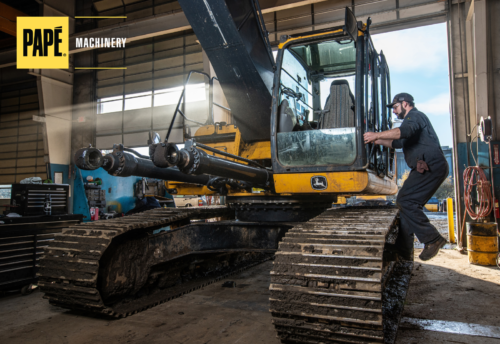
Why Choose a Dealer Service Center Over Independent Repair for Your Equipment
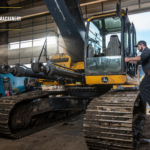
When a dozer, excavator, or loader goes down, the repair decision affects more than the invoice. It can influence warranty coverage, parts compatibility, future reliability, resale value, and how quickly the machine returns to work. Independent shops can handle some routine repairs, but a dealer service center offers direct access to manufacturer training, OEM parts,…
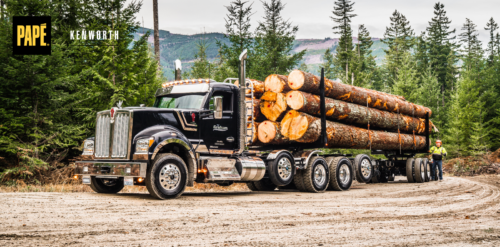
Peak Logging Season: Prepping for Lumber Hauling
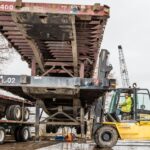
Peak logging season puts every part of a hauling operation under pressure. Heavy timber loads, rough access roads, steep grades, dust, heat, and long distances between service points expose small equipment issues quickly. A strong pre-season inspection gives fleets and owner-operators time to address wear, confirm truck and trailer readiness, and build a service plan…
Types of Compact Construction Equipment Attachments for Better Uptime
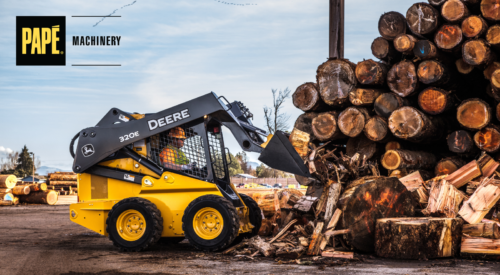
To get the most value out of your compact construction equipment, it needs to stay productive as the work changes. A skid steer loader, compact track loader, or compact excavator may start the day digging then move into material handling, grading, clearing, demolition, or cleanup with the right attachment. With a well-planned attachment lineup, contractors…
Small Cuts, Major Uptime: How Microtrenching Supports Urban Trenching Projects
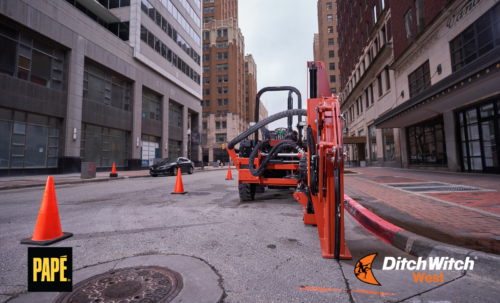
A bustling urban center with buildings, sidewalks, pedestrians, roads, and landscaping can make new installations seem impossible. Whether fiber needs to be installed, or utilities repaired, a major goal of these projects is minimal disruption to the existing environment. Traditional trenchers are powerful, but require lots of space to operate, and tear up existing terrain.…
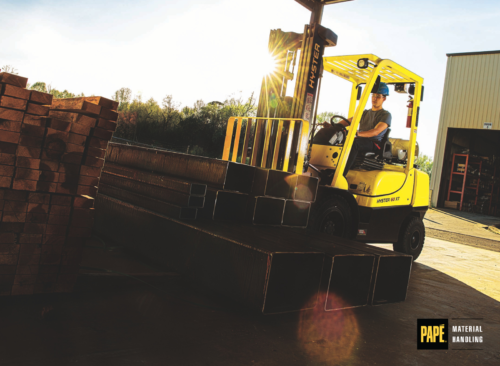
Built for the Heat: Solving the Metals Industry’s Toughest Material Handling Challenges
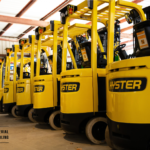
Material handling in the metals industry puts equipment and operators under constant pressure. Capacity alone doesn’t determine whether a forklift is right for the job. Metals operations need equipment, attachments, technology, and support strategies matched to the application to improve durability, load control, safety, productivity, and uptime. Start With Equipment Built for Harsh Environments Heat,…
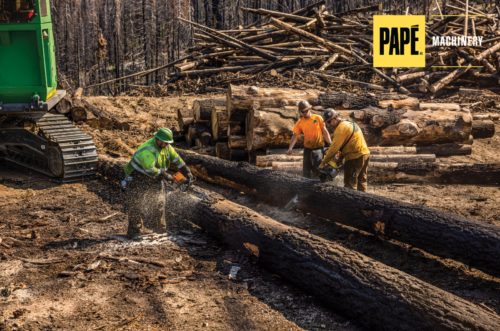
Forestry Clean-Up: How to Turn Wood Waste Into a Valuable Resource
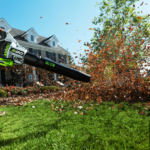
Every forestry project leaves material behind. Timber harvesting, thinning operations, storm cleanup, land clearing, and wildfire mitigation are just a few examples of work that leaves behind limbs, treetops, brush, stumps, damaged logs, bark, and other wood waste. If left unchecked, this material can limit access to the site, make replanting more difficult, create safety…
Expand Your Fleet Without Overspending: How to Shop Used Equipment Effectively
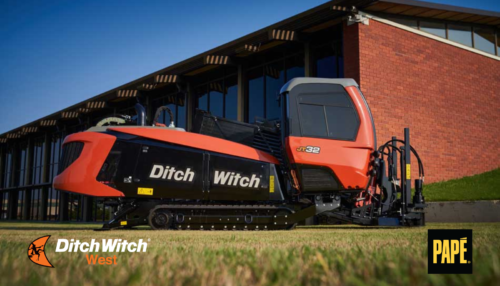
Often, project demand grows faster than equipment budgets. A new contract may require the addition of another trencher or directional drill, or even a backup for an aging machine. Used equipment can add capacity while preserving cash for payroll, materials, transportation, and other operating costs. The key is to evaluate more than just the asking…


When the Unexpected Happens, It Pays to Be Prepared
Unexpected events are an expected part of commercial trucking, even when equipment is maintained carefully. Preparation helps drivers and fleets respond faster, protect the load, reduce confusion, and limit downtime. Truck emergency preparedness starts before the key turns and continues through every mile of the route. Start With a Truck That’s Ready for the Road…
Safe Starts Together: Three Ways to Strengthen Your Workplace During OSHA Safe & Sound Week
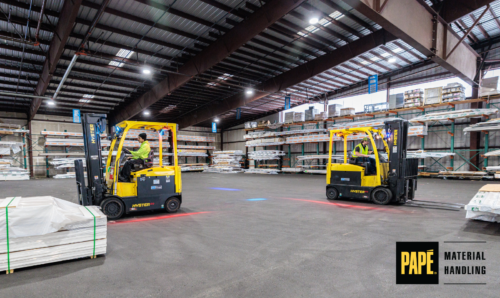
OSHA Safe & Sound Week, August 10–16, 2026, gives employers an opportunity to recognize safety achievements and strengthen the programs that protect employees every day. For warehouses, distribution centers, and manufacturing facilities, that means building a workplace where leadership, employee involvement, and hazard prevention work together. OSHA organizes effective safety and health programs around three…
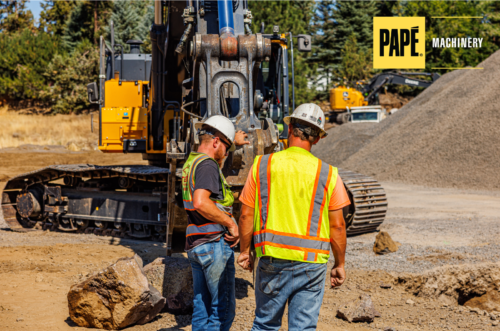
Safe & Sound Week: Three Ways to Build a Stronger Jobsite Safety Program
A strong safety program is built through the decisions crews and supervisors make every day: how work is planned, how concerns are reported, and how quickly hazards are corrected. OSHA Safe & Sound Week gives construction and forestry operations an opportunity to evaluate those habits and strengthen their overall safety culture. Safe + Sound Week…