


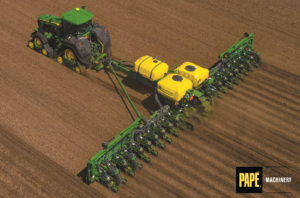
John Deere AutoPath Technology: Connecting Harvest, Fall Tillage, and Planting
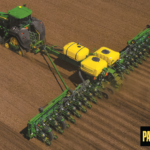
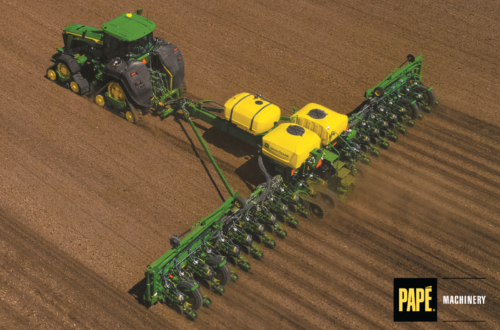
Harvest is one of the busiest times of year for growers. As crops come out of the field, attention turns to residue management, post-harvest tillage, and preparing for the next growing season. With limited time between harvest and changing weather, making every field pass count is important. John Deere AutoPath™, part of the John Deere…


Optimizing Material Handling Operations with Hyster Fleet Management
Managing a modern forklift fleet requires more than keeping equipment running. As operations grow, managers need to understand how trucks are being used, where downtime is occurring, what maintenance is costing, and whether the fleet is properly matched to the work. Effective forklift fleet management turns that information into a strategic advantage. With solutions such…
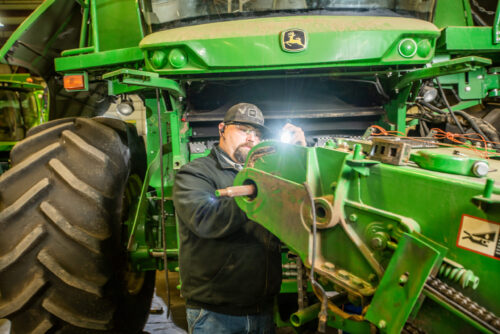

Preventive Maintenance: Stay Ahead of Winter Downtime
Equipment problems often seem to happen without warning, but many can be identified before they lead to costly downtime. Seasonal preventive maintenance and inspections help catch wear early and keep tractors, compact utility tractors, mowers, utility vehicles, and other equipment ready for the work ahead. As fall approaches, it’s a good time to address maintenance…
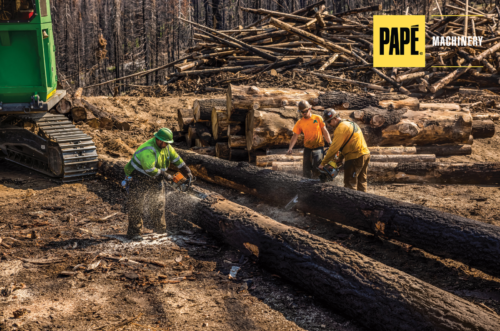
Forestry Clean-Up: How to Turn Wood Waste Into a Valuable Resource
Every forestry project leaves material behind. Timber harvesting, thinning operations, storm cleanup, land clearing, and wildfire mitigation are just a few examples of work that leaves behind limbs, treetops, brush, stumps, damaged logs, bark, and other wood waste. If left unchecked, this material can limit access to the site, make replanting more difficult, create safety…


Safe Starts Together: Three Ways to Strengthen Your Workplace During OSHA Safe & Sound Week
OSHA Safe & Sound Week, August 10–16, 2026, gives employers an opportunity to recognize safety achievements and strengthen the programs that protect employees every day. For warehouses, distribution centers, and manufacturing facilities, that means building a workplace where leadership, employee involvement, and hazard prevention work together. OSHA organizes effective safety and health programs around three…


Safe & Sound Week: Three Ways to Build a Stronger Jobsite Safety Program
A strong safety program is built through the decisions crews and supervisors make every day: how work is planned, how concerns are reported, and how quickly hazards are corrected. OSHA Safe & Sound Week gives construction and forestry operations an opportunity to evaluate those habits and strengthen their overall safety culture. Safe + Sound Week…
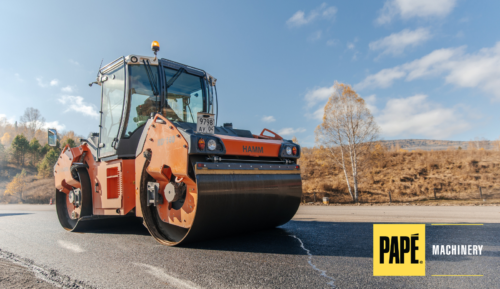

Dry Roads, Big Repairs: Why Summer Is Prime Time for Street Fixing
When the rain lets up and the sun comes out, roadwork season kicks into gear. Across the West, summer gives contractors, municipalities, and road crews the weather window they need to repair streets, improve drainage, rebuild surfaces, and prepare roads for the rainy season ahead. Potholes, rutting, broken shoulders, poor drainage, and failing base materials…
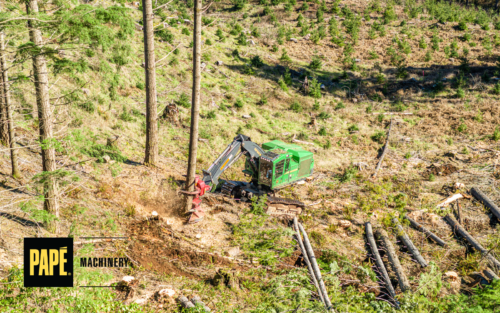
Peak Fire Season: Forestry Fire Mitigation Tips
Wildfire risk depends on weather, terrain, ignition sources, and fuel. You can’t control the weather, but you can reduce the amount of dry material available to burn. The U.S. Forest Service identifies mechanical treatment, including thinning, pruning, piling brush, and creating fuel breaks, as a way to reduce the probability of catastrophic fires and protect…
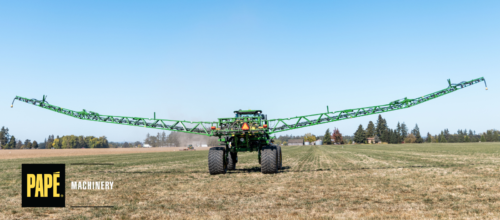
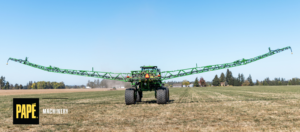
Maximizing Fuel Efficiency with Precision Ag Technology
Fuel is one of the largest operating expenses in agriculture, making efficiency a priority for farms of all sizes. While fuel prices can fluctuate, reducing unnecessary fuel use remains one of the most effective ways to manage operating costs and improve productivity. Fuel efficiency depends on more than just the machine itself—it is influenced by…
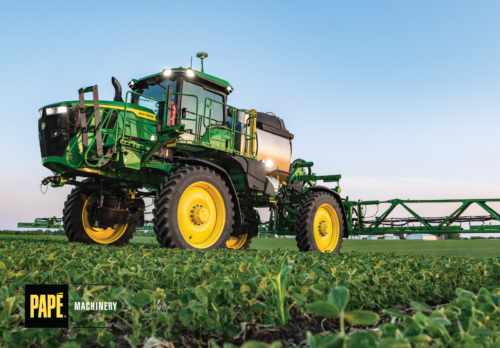
Keeping Pests at Bay: Effective Spraying Tips for Farms, Orchards, and Vineyards
Damaging insects, weeds, and disease pressure can affect crop health long before visible damage appears. Effective spraying practices protect yields, manage input costs, and keep your ag work moving. An effective spraying routine and method takes more than filling the tank and making a pass; it starts with a smart plan, the right equipment, careful…