


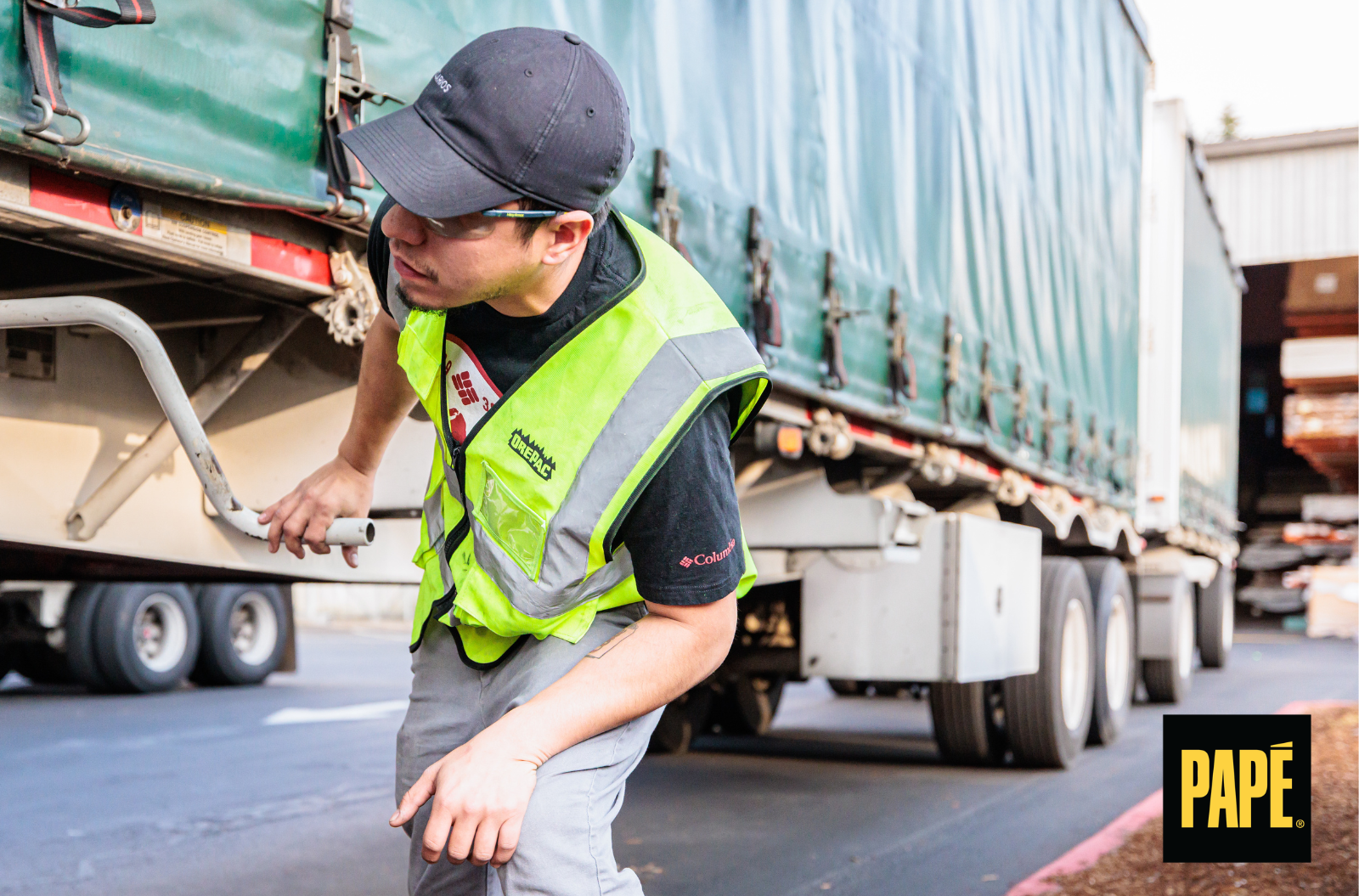
June is National Safety Month, a timely reminder for businesses to evaluate the practices, equipment, and procedures that help create safer workplaces and more efficient operations. The National Safety Council marks the 30th anniversary of National Safety Month in 2026, with a focus on keeping people safe “from the workplace to anyplace.”
For the industries that build, move, grow, and support the West, safety is part of everyday operations. National Safety Month provides a valuable opportunity to review what is working, identify areas for improvement, and reinforce the practices that support safe, productive work.
Safety Starts With a Proactive Mindset
A strong safety culture is built on shared expectations, clear communication, and routines that become second nature in daily operations. The theme for Week 1 of National Safety Month, “Moving Safety Forward,” encourages businesses to strengthen safety through better strategies, tools, and everyday practices. The most successful operations take a proactive approach: plan ahead, inspect often, communicate clearly, and support safe decisions.
Practical steps include:
- Conduct walkaround inspections
- Update operator checklists
- Verify maintenance intervals
- Refresh jobsite traffic plans
- Report hazards and near misses
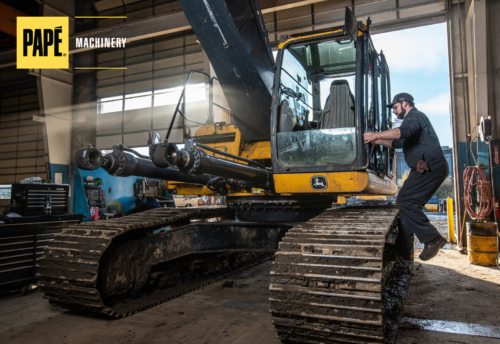
Equipment maintenance is a key part of that safety-first mindset. While preventive maintenance helps maximize uptime, it also reduces risk. Worn tires, brake issues, hydraulic leaks, damaged attachments, poor visibility, and overdue inspections can all create avoidable risks. Daily walkarounds, scheduled service, and accurate maintenance records help identify issues before they affect safety or productivity.
At Papé, we help customers look beyond a single machine or repair. Through equipment, service, robust parts inventories, rental, and product support solutions, we help strengthen safety, reliability, and productivity across industries and changing job demands.
Safer Roads, Safer Fleets
Road safety matters for Papé Kenworth customers, delivery fleets, service trucks, equipment haulers, logistics teams, and any business moving people or equipment across public roads. The Week 2 theme, “Staying Safe on the Roads,” focuses on reducing crashes with practical guidance for drivers, pedestrians, and fleets.
National Safety Month is a smart time to review:
- Lights, brakes, tires, mirrors, cameras, and warning systems
- Driver inspection procedures
- Defensive driving expectations
- Maintenance records
- Load securement practices
- Policies around distraction and fatigue
Fleet safety reaches beyond the driver. It affects passengers, pedestrians, other motorists, customers, and the communities that depend on safe, professional transportation.
Warehouse and Material Handling Safety
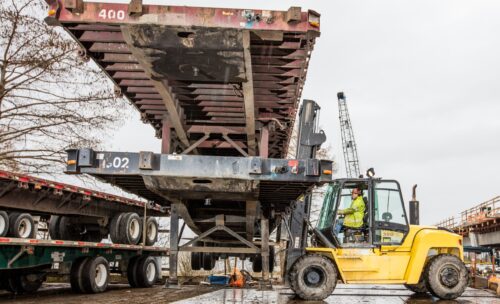
Warehouses, distribution centers, shipping facilities, and production environments bring people and equipment together in tight spaces. Forklifts, pallet jacks, conveyors, racking, dock equipment, terminal tractors, and pedestrians often operate close together, making visibility, layout, training, and equipment condition especially important.
Papé Material Handling supports warehouse and distribution operations with equipment and warehouse solutions from leading manufacturers. During National Safety Month, teams can take a practical look at areas where risk tends to build:
- Pedestrian walkways and crossing points
- Rack condition and load ratings
- Dock plates, doors, and levelers
- Charging and fueling areas
- Aisle width and traffic flow
Use Technology and Training to Support Safer Operations
Technology can also play an important role in supporting safer operations. Papé Machinery Construction & Forestry offers solutions such as telematics, GPS technology, and operator-assist features to improve visibility into equipment health. When combined with proper training and clear procedures, these technologies can help teams make more informed decisions, reduce unnecessary risk, and improve overall productivity.
Papé Machinery Agriculture & Turf supports customers with equipment, service, parts, technology solutions, and product support designed to keep operations running safely and efficiently. Whether preparing for planting, harvest, mowing, or daily property maintenance, a proactive approach to training and equipment care helps create safer, more productive work environments.
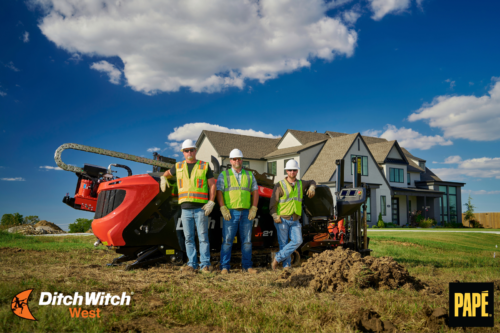
Training helps operators understand machine capabilities, identify potential issues, and make more informed decisions in the field. We offer Ditch Witch training in flexible, field-ready formats, including instruction on the jobsite, in the classroom, on simulators, and on equipment, along with free online HDD courses. The goal is simple: help operators work more efficiently, safely, and productively on the jobsite. That matters for experienced operators sharpening their skills and for newer team members getting up to speed.
Worker Health Promotes Safer Operations
Safety also depends on the condition of the people doing the work. Week 3’s theme, “Promoting Holistic Worker Health,” focuses on mental, physical, and emotional wellbeing.
Long hours, heat, fatigue, stress, rushed schedules, and unclear communication can increase risk. Managers can help by reinforcing hydration, rest breaks, PPE, clear job planning, and open communication.
A strong safety culture gives employees permission to speak up when something feels unsafe, unclear, or rushed. Equipment enables the work, but people drive the business.
Preventing Slips, Trips, and Falls
The Week 4 theme, “Preventing Slips, Trips, and Falls,” applies across nearly every operation. Muddy jobsites, wet warehouse floors, cluttered shop areas, trailer steps, truck cabs, equipment platforms, forestry sites, and construction zones can all create hazards during routine work.
Use June to inspect walking surfaces, ladders, handholds, lighting, signage, stairs, platforms, and housekeeping practices. Simple fixes, completed consistently, reduce common risks.
Keep Safety Moving
National Safety Month is an opportunity to turn awareness into action. Schedule preventive maintenance, review safety procedures, inspect equipment, and talk with your team about opportunities to improve both safety and productivity. With more than 160 locations, 1,600 technicians, and support across the West, Papé helps customers keep equipment, fleets, and operations running safely and efficiently.